
These days, more and more gardeners are becoming interested in self-sufficiency; more specifically, growing fruit and vegetables in their gardens. I’ll agree that there’s something uniquely satisfying about looking out of the window and seeing a garden that’s full of trees glowing with bright, succulent fruit. By the same token, it can be very frustrating and disappointing to attempt growing fruit, and seeing it all fall apart! To set you off on the right track, here are some of my best pointers for growing fruit.
Think About Pollination
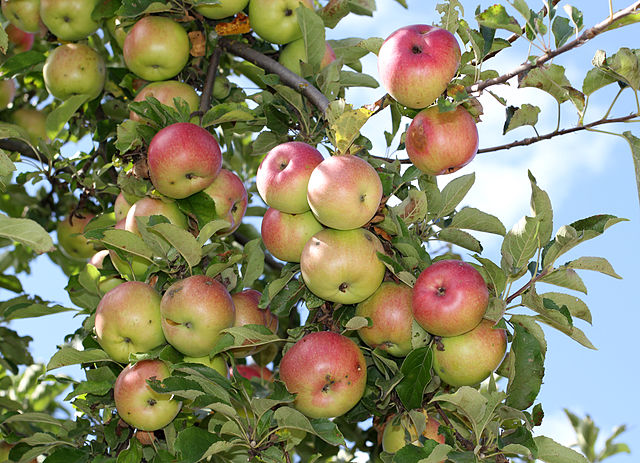
If you’re set on harvesting tasty fruit, then you’re going to need to keep the birds and the bees in mind – quite literally! Forget to take pollination into account, and all you’ll end up with is blooms. As pretty as these are, it’s not what you’re going for! Before you make a big order at a nursery for fruiting plants, do a little research and find out which ones are the easiest to breed. You can make things simpler for yourself by choosing plants that are self-pollinating, or making plans for planting a couple of trees in different varieties if the fruit needs cross-pollination. If you’re looking to start off small, then I recommend sticking to self-pollinators, such as nectarines, peaches and citrus.
Plant Them Properly
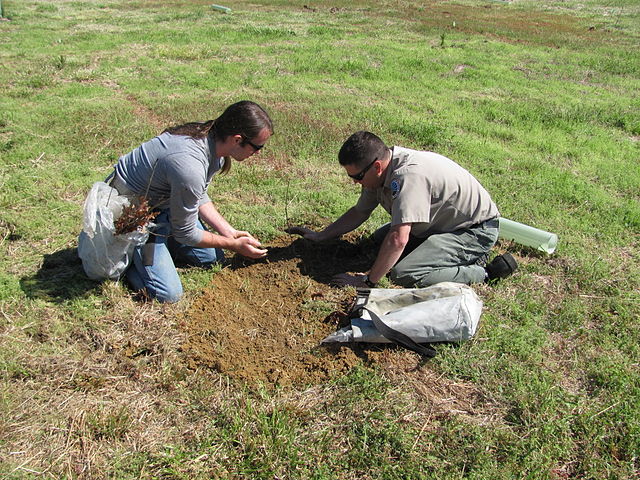
If you sow seeds in relatively nutritious soil and let nature do its thing, there’s a fair chance that you’ll end up with a healthy fruit tree. However, if you want more of a guarantee, you’re going to have to put in more work. When you plant your seeds, drive a plastic pipe with holes in the sides into the ground, reaching from the lowest roots to just above the soil level. This will ensure that water gets to where it’s needed, and reduce the chances of surface rooting, which can be an issue. You should also remember that fruit trees don’t fare well with competition, and make sure that they’re not going to be choked out or interfered with by any other plants. Draw out a square metre around the base of the trunk, and make sure this is completely free of any weeds or grass.
Prune Them Properly
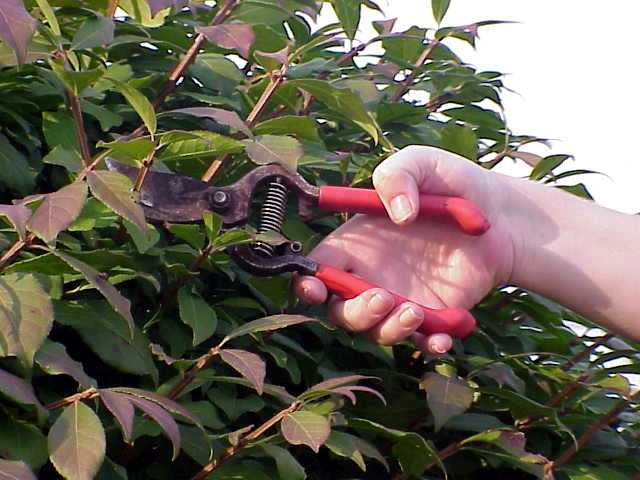
If you want your trees to come out as well as possible, you need to be pruning them properly. This will ensure that the tree will grow in a healthy formation, and that the branches won’t grow too close together and get all bunched up. With apple and pear trees, you should start pruning in late autumn and mid-winter, when they’re dormant and it’s easy to see the developing shape of the tree. Cherry, plum and apricot trees on the other hand, should be left until the summer. This will minimise the risk of harmful conditions such as silver leaf disease. With cordon trees, you need to start pruning them straight after they’ve been planted. You should cut the central stem to just above the highest branch. Then, prune only the tips of the remaining branches by one third as you draw close to winter.

